UPDATE: MAY 7, 2026
FOR IMMEDIATE RELEASE
May 7, 2026
IUOE LOCAL 150: GOOGLE-BACKED
DATA CENTER BUILD IN SULLIVAN COUNTY, INDIANA
CUTS OUT LOCAL WORKERS
PROJECT PROMOTED AS ‘COMMUNITY INVESTMENT’ AS LOCAL CONTRACTORS AND WORKERS ARE BYPASSED; UNIONS SEE REPETITIVE PATTERN OF USING OUT-OF-STATE CONTRACTORS AND WORKERS WITH NO ECONOMIC BENEFIT TO LOCAL COMMUNITIES
COUNTRYSIDE, IL (May 7, 2026) – The Wabash Valley Building Trades Council in Indiana, The International Union of Operating Engineers (IUOE) Local 841, supported by IUOE Local 150, AFL-CIO, are demanding immediate action to guarantee local workers and contractors benefit from the massive data center development planned at Heartland Industrial Park in Sullivan County, Indiana.
The project—publicly linked to Potentia Inc. as site developer and reported as a Google-backed data center campus—is expected to become a multi-year development valued at approximately $65 billion on more than 1,000 acres near the former Merom Generating Station.
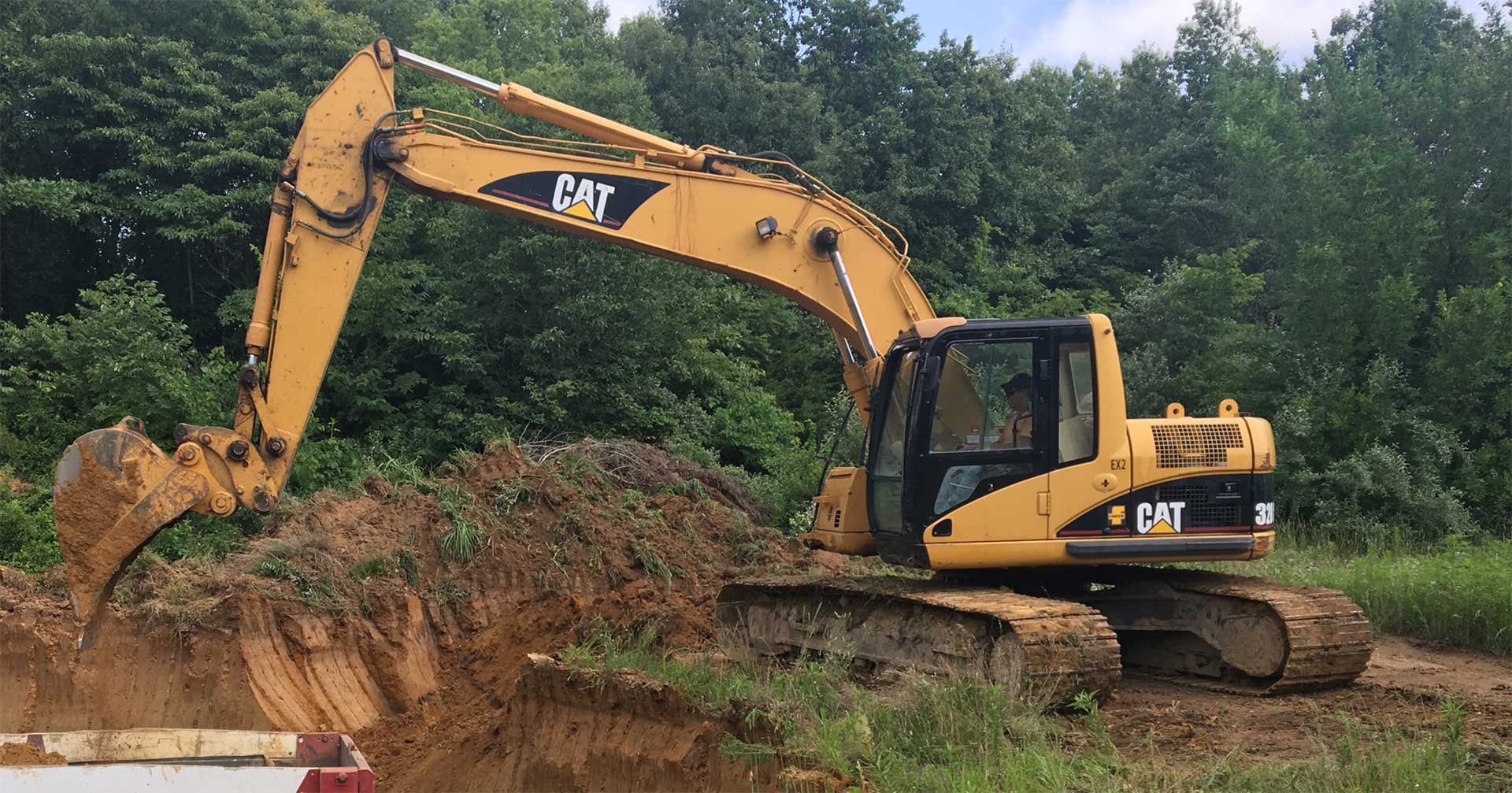
Local labor leaders say the project has been promoted as a major investment in the region, yet early construction work has already gone to out-of-area and out-of-state contractors while local skilled trades workers are being sidelined.
The project falls within the jurisdiction of IUOE Local 841 and the other member trades within the Wabash Valley Building Trades Council. Local unions are calling for Potentia to stand by its word and ensure a binding Project Labor Agreement (PLA) and enforceable local hiring requirements before major construction expands further.
“No one is against growth or investment,” said Joe Bolk, President of The Wabash Valley Building Trades Council and Business Manager and Secretary-Treasurer for Laborers’ Local 204. “But if this project is going to use our roads, infrastructure, utilities, and public resources, then local workers and local contractors deserve guaranteed opportunities on the job. A project this large should be building careers and economic growth here in Sullivan County—not shipping work out of state.”
Developer materials have promoted Heartland Industrial Park as creating “high-quality jobs” and “lasting community investment.” However, labor leaders say no binding local hiring plan, workforce agreement, or Project Labor Agreement has been publicly finalized.
In fact, in late March, Wabash Valley Building Trades Council representatives met with Potentia to discuss a PLA that would establish wages, benefits, safety standards, and local participation requirements before major site work began.
At the same time Potentia sought a road-use agreement from the Sullivan County Commission for heavy-truck traffic. County officials reportedly asked labor whether a PLA was being pursued by Potentia. The Commission approved the agreement on March 30 after receiving assurances that PLA discussions were underway. Shortly thereafter, The Wabash Valley Building Trades Council says representatives from Arco Construction—identified as Potentia’s designated general contractor—stated they were unaware of the PLA discussions Potentia had and indicated the project would move forward without a PLA.
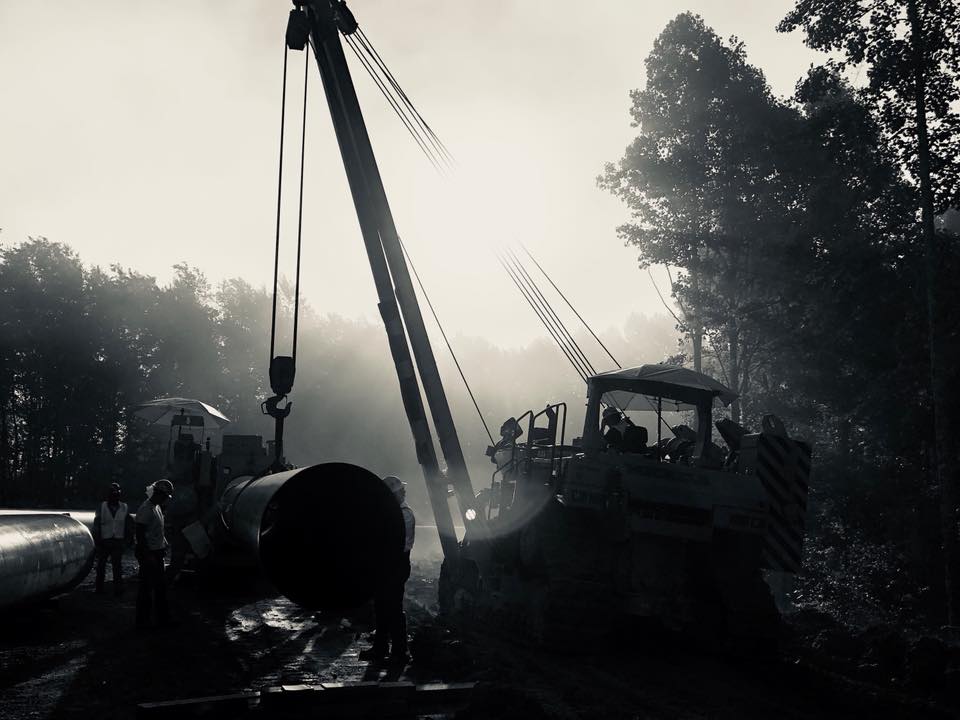
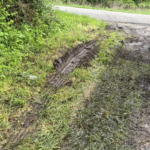
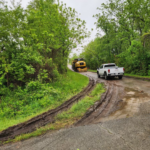
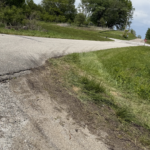
Union representatives report that out-of-state contractors and labor crews mobilized quickly, including companies from Georgia and Louisiana, while local contractors were excluded from major grading and dirt work. Labor leaders also allege some heavy equipment traffic ignored Sullivan County approved haul routes, contributing to additional county road damage.


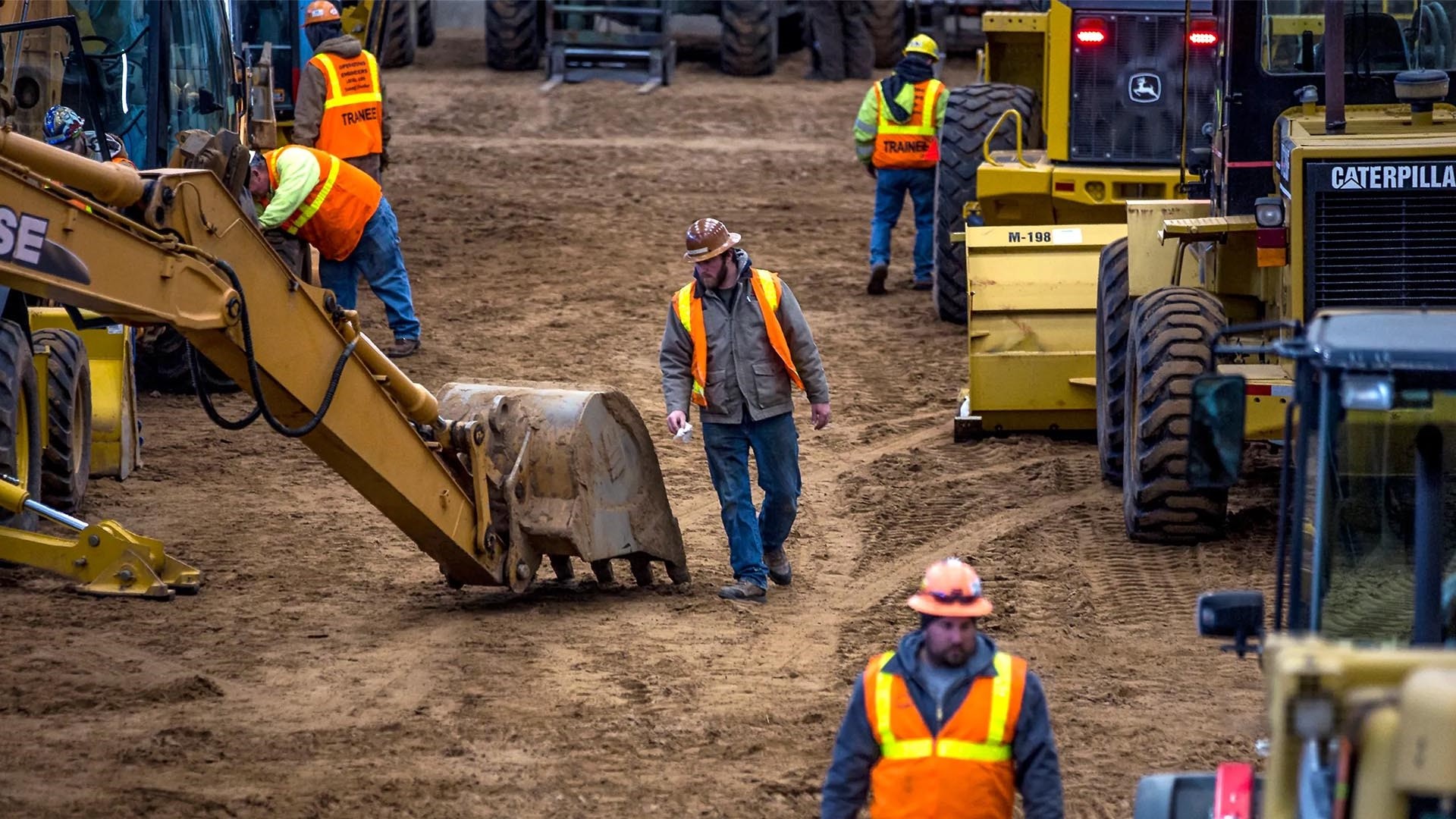
“Our members trained for this project and expected the jobs promised to this community,” said Brian Gilham, Business Manager of IUOE Local 841. “Instead, local skilled operators and apprentices are watching work leave the county while outside contractors move in. That hurts workers, local businesses, and the entire local economy.”
IUOE Local 150 is raising concerns emerging in Sullivan County as they follow a growing pattern seen at other Google-linked data center developments in Indiana, particularly the controversial “Project Maize” development in Michigan City.
At Project Maize, local unions and contractors have raised repeated concerns since the project started last summer. This Google-end user project, after receiving significant state and local tax incentives made promises of jobs and economic investment that did not translate into meaningful opportunities for local contractors, workers, or investment in the local community. IUOE Local 150 documented allegations that out-of-state contractors and labor crews captured major portions of the work, while local contractors were largely sidelined, major safety issues were documented, including a worker who fell from the roof of the project, and more.
Building trades leaders say the same warning signs are now appearing in Sullivan County: outside contractors moving in early, local firms excluded from major work, and no binding commitments guaranteeing local hiring or area labor standards.
“We’ve seen this playbook before,” said David Willis, Vice President of The Wabash Building Trades Council and Assistant Business Manager of the Boilermakers Local 374. “Big promises get made to local communities, but once approvals are secured, the work starts moving out of state and local workers get pushed aside. Sullivan County deserves enforceable guarantees—not press releases and talking points.”
The Wabash Valley Building Trades Council is pushing for action now because communities lose leverage once major contracts are awarded.
Building trades representatives who attended the meeting report an Arco Construction representative said there would be enough “scraps” for everyone. Put plainly: local Indiana contractors and workers were expected to fight over leftovers after the big work was handed out. The representatives also report contract terms discussed included liquidated damages ranging from $175,000 up to $1 million per day, and that Arco asked the Trades Council to support extending the county’s road-use hours beyond 7:00 a.m. to 7:00 p.m.
“What happened at Project Maize should be a warning to Sullivan County,” David A. Fagan, Financial Secretary of IUOE Local 150 said. “If there’s no Project Labor Agreement and no written local hiring requirements, local workers and contractors will continue getting shut out while outside companies profit off this community.”
Public reports describe Heartland Industrial Park as one of Indiana’s largest private infrastructure developments, potentially supporting 2,750 to 3,000 construction jobs at peak and more than 500 permanent positions.
The project’s reported end user is Google, raising broader questions about accountability for labor standards and local participation in large-scale data center developments.
“This is a bait-and-switch on local government, local businesses, local workers, and local communities,” said David A. Fagan, Financial Secretary of IUOE Local 150. “Communities are promised jobs and investment, but then outside contractors move in while local workers are shut out. If Google and its development partners are benefiting from this project, they need to publicly commit to a Project Labor Agreement, local hiring, and real accountability.”
The Wabash Valley Building Trades and IUOE Local 150 are demanding:
- A signed Project Labor Agreement (PLA) covering major site and vertical construction work;
- A written local hiring and local contracting plan prioritizing Sullivan County and regional contractors;
- Full disclosure of who controls subcontracting and workforce decisions;
- Compliance with approved haul routes and repair of road damage caused by construction traffic;
- Ongoing public reporting on water usage, environmental impacts, and infrastructure demands associated with the project.
Background on Heartland Industrial Park
Heartland Industrial Park is planned as a large-scale industrial campus in Sullivan County, Indiana, near U.S. Route 41 and the former Merom Generating Station. Public reports and developer materials describe the site as supporting advanced technology and data center infrastructure tied to AI and cloud computing demand.
Publicly stated projections include thousands of construction jobs and more than 500 permanent positions. Potentia has also publicly referenced infrastructure investments, charitable contributions, a proposed fire station land donation, and a closed-loop water system intended to reduce freshwater withdrawals.
Background on Project Maize and Labor Exclusion
Project Maize is an $832 million data center development supported by over $42 million in state tax incentives and another $29.5 million in local tax incentives. Despite these subsidies, the majority of contracts have been awarded to out-of-state contractors, bypassing Indiana firms and workers. Local 150 members have been exercising their federally protected rights to protest unfair labor practices by Phoenix Construction.
On Friday, November 14, 2025, Phoenix Construction erected barricade fencing across a public right-of-way to block Local 150’s lawful picket line. The company escalated overnight by placing additional fencing directly across the right-of-way where members had been picketing for weeks. Michigan City police were dispatched and warned that moving the barricade off public property would result in arrest; five squad cars responded.
In late October 2025, Phoenix claimed that it owns Royal Road where Project Maize is located and called Michigan City police three times about Local 150 allegedly picketing on private property. On the first visit, police informed Local 150 that the picketers were appropriately positioned on public property. On the second visit two days later, the police changed their position and advised that Local 150 was in fact on private property. On the third visit, police arrested two Local 150 picketers and impounded Scabby and the rat van on charges of criminal trespass. Two days later, the LaPorte County prosecutor dismissed the charges in court, citing insufficient information regarding the ownership of Royal Road.
Local 150 continues to demand that Michigan City enforce their own incentive requirements and ensure Indiana workers and public resources are protected.
Indiana taxpayers deserve transparency, fairness, and accountability.
For ongoing updates, visit local150.org.
# # #
ABOUT THE IUOE LOCAL 150: The International Union of Operating Engineers, Local 150 is a labor union representing over 24,000 working men and women in Indiana, Illinois, and Iowa. Local 150 members operate and maintain heavy equipment in a variety of industries, which include heavy highway and building construction, heavy equipment rental and repair shops, construction material production, concrete pumping, hoisting, steel mill service, slag processing, pits and quarries, landfills, testing and drilling, pipeline, landscaping, public works, and more. In addition to securing work for its Union members, Local 150 fights on behalf of all working men and women to ensure fair wages and equal pay.